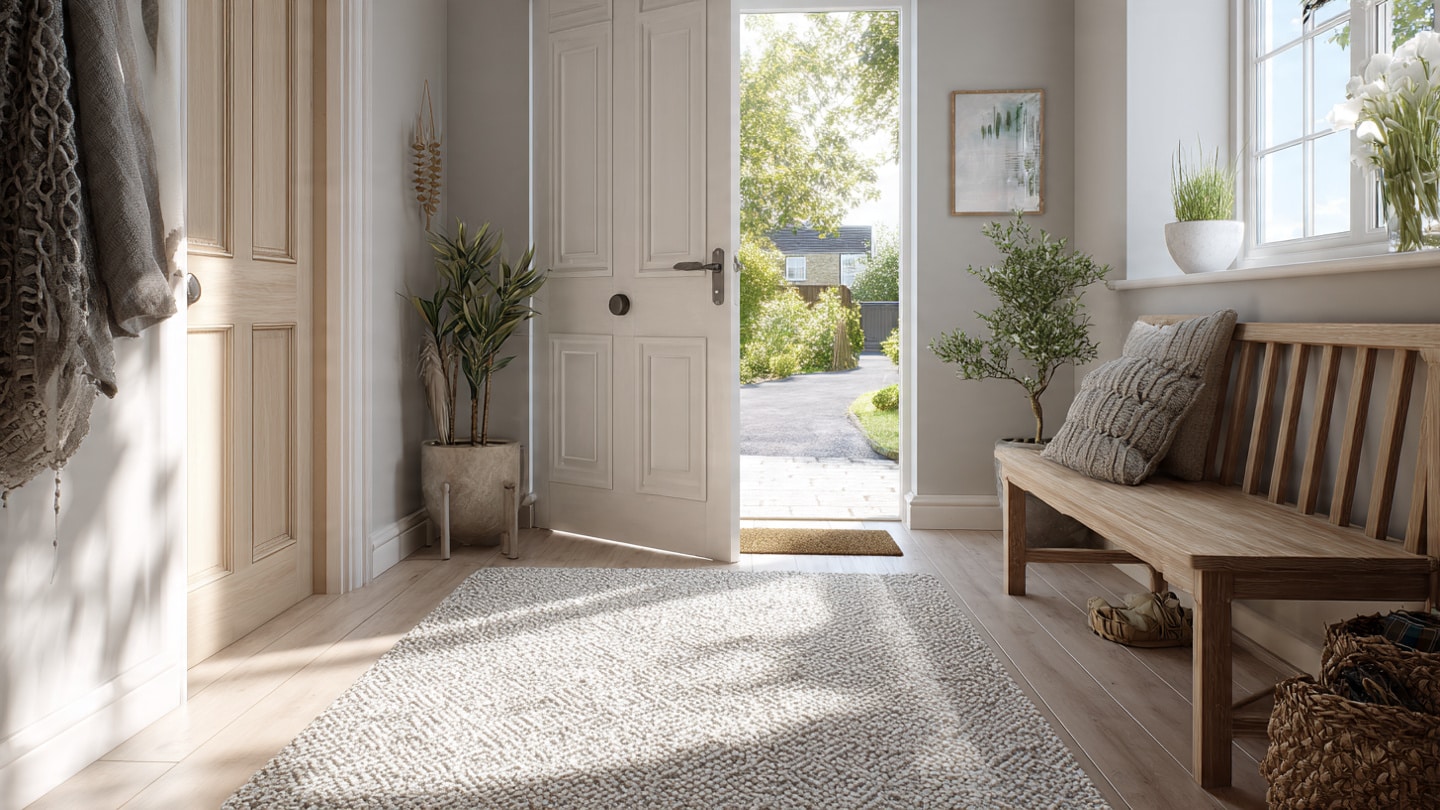
Entryway carpets take the brunt of daily traffic. They are often the first thing people notice when entering your home,
A neglected entrance can make a home feel uninviting, no matter how tidy the rest of the rooms are. Dirty carpets can also impact indoor air quality, trap allergens, and even contribute to respiratory discomfort.
With a few daily habits, you’ll have a neat home that welcomes guests and family members from the minute they step inside. Here’s what you need to do.
Double Up with Doormats
A dual-mat system is a simple but highly effective first line of defence against dirt and mud. Place a sturdy, weatherproof mat outside to scrape off the majority of debris, and a softer, absorbent mat inside to catch remaining dirt and moisture.
Choose mats that are easy to shake, hose down, or machine wash. Shaking them out weekly and washing them monthly keeps the entrance tidy and prevents grime from spreading into your carpets.
Seasonal swaps—like thicker mats in winter or mats with moisture-absorbing backing during rainy months—also help tackle mud and wet conditions during British weather.
You can also look for mats with textured surfaces or ridges, which trap soil more effectively, and mats with non-slip backing to prevent slips in damp conditions.
Over time, investing in a good-quality mat system reduces how often carpets need deep cleaning, saving effort and prolonging their lifespan.
Make Your Home a Shoes-Off Zone
Encouraging family members and visitors to remove shoes at the door reduces dirt tracking and prolongs your carpet’s life. This is especially important in homes with young children, who often play or crawl on the floor.
Provide a dedicated shoe rack or basket near the entrance, and keep a few pairs of indoor slippers for convenience. A small, tasteful sign can serve as a polite reminder.
You can also add a bench near the door, which makes removing footwear easier, particularly for older adults or guests carrying bags.
Combining the no-shoes policy with regular mat maintenance further prevents mud and grit from reaching your carpets. This keeps your entrance cleaner for longer and makes everyday upkeep simpler.
Vacuum Consistently
High-traffic areas require consistent vacuuming. Aim for at least twice a week, and make sure to target edges, corners, and under furniture where dust and debris tend to accumulate.
A vacuum with a HEPA filter traps fine particles, improving air quality while cleaning. Specialised attachments help reach skirting boards, narrow gaps, and behind doorways.
In busy households, short daily touch-ups in addition to deeper weekly sessions prevent dirt from embedding deeply into fibres.
Paying attention to high-traffic paths, such as the route from the door to the living room, can reduce wear in those areas. Rotating rugs occasionally also helps distribute footfall evenly, keeping carpets looking uniform and reducing long-term damage.
Tackle Spills Immediately
Accidents happen, but swift action prevents permanent stains and odours. Blot spills with a clean, white cloth to absorb moisture, then treat the area with a gentle carpet shampoo. Avoid rubbing, which can spread the stain or push dirt deeper.
Always test any cleaner on a hidden patch first to check colourfastness. For stubborn spots, repeat the blotting process, and if necessary, consult carpet cleaning specialists to prevent lasting damage.
For liquid spills, consider sprinkling a little baking soda on the affected area before blotting. This helps absorb extra moisture and neutralise odours. Acting quickly ensures spills don’t set, reducing the need for harsh chemicals or aggressive scrubbing.
Protect Carpets with Mats and Barriers
Carpet protectors or additional mats can dramatically reduce wear and tear in busy entrances. Transparent plastic protectors are ideal for showing off decorative carpets while shielding them from spills. But also consider fabric runners and add a bit more style with softer protection.
Wipe plastic mats regularly with a damp cloth, and wash fabric covers according to the manufacturer’s instructions.
Using protectors alongside regular vacuuming ensures that carpets maintain their texture, appearance, and lifespan, even under heavy daily use.
For extra protection, consider layering a runner over high-traffic carpet sections. This can absorb initial wear and reduce the frequency of deep cleans while also adding decorative flair to your entryway.
Deep Clean Regularly
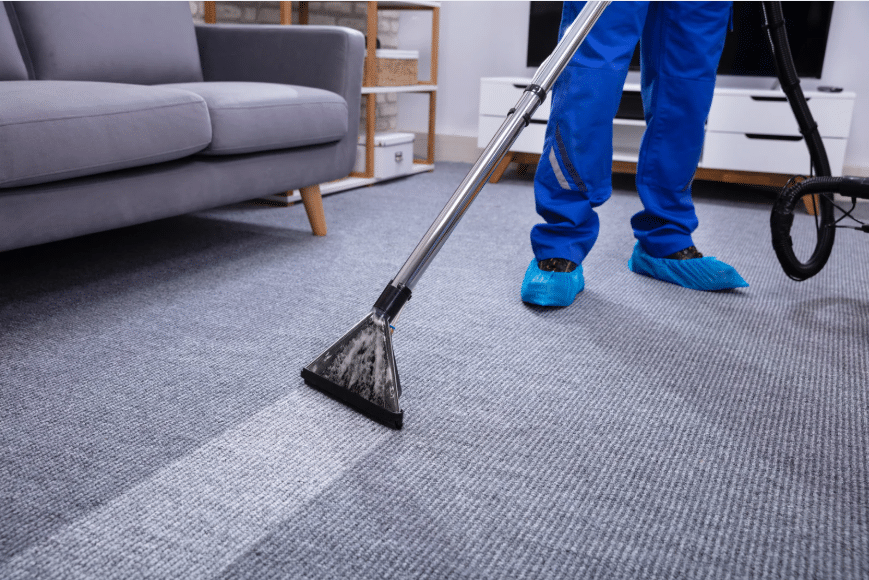
Even with diligent DIY care, deep cleaning is essential. Every six months—or more often in high-traffic households—either hire a professional or rent appropriate equipment.
Steam cleaning removes embedded dirt and allergens, while shampooing restores colour and tackles stubborn stains.
Professional carpet cleaning help is invaluable for delicate fibres or heavily soiled carpets. Steam cleaning also sanitises fibres, which is especially important in homes with children, pets, or allergy sufferers.
Pairing professional deep cleaning with daily DIY upkeep ensures carpets remain hygienic, vibrant, and long-lasting.
Neutralise Odours Naturally
Baking soda is a cheap, effective deodoriser for entrance rugs. Sprinkle evenly, leave for several hours or overnight, then vacuum thoroughly. For extra freshness, add a few drops of essential oil like lavender, tea tree, or citrus.
This is particularly useful in homes with pets or damp conditions, helping maintain a fresh and welcoming atmosphere without harsh chemicals.
You can also combine baking soda with a small amount of cornstarch for stubborn odours or heavier foot traffic areas.
Rotate Rugs and Mats
Rotating carpets every three to six months is a simple yet highly effective way to prevent uneven wear and fading. Seasonal rotation can also help manage the effects of mud, damp conditions, and dirt brought in during British weather.
When rotating, try swapping rugs between different areas of the home. This distributes foot traffic more evenly and allows sections that see heavy use to recover.
By making rotation part of your regular carpet care routine, you maintain both appearance and texture throughout the year, prolong the lifespan of your rugs, and reduce the need for frequent deep cleaning.
Choose the Right Carpet Material
Durable, low-maintenance materials make entryways easier to manage. Nylon is strong, resilient, and retains its appearance under constant use.
Polypropylene is another great option that resists stains and moisture. It’s actually perfect for wet or muddy conditions.
Pairing the right material with prompt spill response, vacuuming, and occasional professional stain-resistant treatments ensures your carpets maintain their condition. And choosing the correct fibre from the outset saves time, effort, and money in the long term.
Conclusion
Maintaining entryway carpets is straightforward when practical habits are in place.
Pair these daily actions with occasional deep cleaning or professional carpet cleaning to preserve your carpets’ beauty and longevity.
With a little consistency, your entrance will stay fresh, inviting, and resilient, whatever the weather or footfall.